 Ed Heil
What Private Club Leaders Need to Know Before Capturing Golf Course Drone Footage
Learn what private club leaders need to know before capturing golf course drone footage with insights from videographer Russell Bennett.
Do you remember when golf course drone videos first hit the scene? Prior to drone videography, golf courses needed to rent a helicopter and hire a pilot to get the same footage, which means it mostly didn't exist. Back in the day, only the major television networks could really afford it, but drones changed everything. If your club produced a drone video of the golf course in the last five to seven years, you made a smart decision. At the time, that footage was the standard, and for many clubs, it still lives on the website doing its job.
But here's the thing: it's video viewers who have changed. The volume of video we consume today is staggering—short-form, long-form, cinematic, raw—and we're used to seeing content that is interesting, informative, and captivating. Boring videos lose viewers. It doesn't even have to be super high quality, it just has to be interesting and helpful. The aerial overview that impressed website visitors five years ago can feel passive and dull today. Prospective members watching your course flyover aren't just looking at your golf course, they're trying to envision themselves on it.
Before making the case for something new, it's worth saying that the traditional course flyover isn't somehow wrong or not good enough. These videos establish the layout, showcase the property, and give the viewer a general sense of the routing, the terrain, and the overall condition of the course.
Where drone footage of the past falls short is in its ability to connect with the prospective member who is considering joining the club. As is the case with other club images and videos, the prospective member wants to envision themselves on the course. They want to understand what it actually feels like to play there. High-altitude drone footage, while beautiful and dramatic, falls short in that area.
Have you ever seen drone footage captured from lower levels? Footage shot at eye level reveals the movement of the course and clearly captures the undulation and slopes in a way that high-altitude shots simply can't. It offers a completely different perspective. Footage that follows the natural line of play from the tee, dips into a bunker, and captures each break in a green is pretty compelling. The viewer isn't just seeing the hole, they feel like they're playing it.
Let's take it one step further. Add the voice of a member who plays the course every day and we hear that person talking about the specific hole the viewer sees. Maybe it's the hole they always make birdie on. Maybe it's their nemesis hole. While their voice plays over the footage, the drone tells the visual story they're describing. You see the fairway pinch where they warn you not to miss right. You watch the green as they explain why putting from above the hole is a death sentence.
This combination creates a different experience. It brings the course to life in a new and authentic way. While watching drone footage of any given hole, the viewer is also listening to a member talk about why they love it while the course unfolds in front of them.
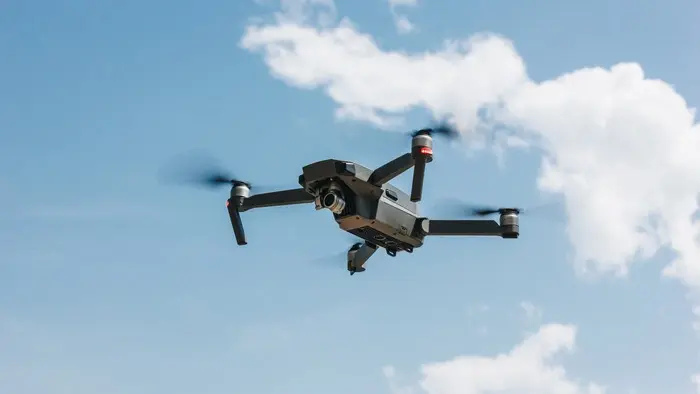
One of the most significant changes over the last five years is the technology used in drones. It has improved drastically. On top of that, drone pilots are more abundant and more skilled than ever. Match that with enhancements to how these units are piloted and you're seeing drones fly faster and lower with better lenses and audio capabilities than in years past. We've reached a point where it's less about technical capabilities and more about the producer's ability to tell a story with the best footage. Content today needs to be relevant across multiple channels, from websites to Instagram, TikTok, and LinkedIn. Think of it this way: if the creative approach is the same as it was in 2018, all the technology in the world won't change a thing.
Prospective members researching your club are asking the same question: can I see myself there? Do I want to see myself there? The golf course is often central to that answer. A video that shows the course through the eyes of a member, literally hearing their voice and watching the holes they've described, can bring that question closer to a yes than any old-school flyover video on its own. The drone footage you have may still look good and work well, but if you're thinking about a refresh, it might be worth reconsidering the approach. The technology is ready. The only question is whether the vision is.

Learn what private club leaders need to know before capturing golf course drone footage with insights from videographer Russell Bennett.

Short-form video can help prospective members understand your club's culture before their first visit. Here's why GMs should make it a priority.

Discover how video can transform the perception of city clubs, creating longing and belonging for prospective members through emotional storytelling...