 Ed Heil
Creating Private Club Website Copy That Engages Prospective Members
Create engaging website copy for private clubs that resonates with younger prospects. Transform traditional messaging into member-centric content.
Maybe you heard it in a seminar, or a marketing blog, hopefully not from us: you have 8 seconds to grab a website visitor's attention before they're gone. It sure sounds good, but it's not true.
Here's the deal: the "8 seconds" stat traces back to a Microsoft study that never actually said 8 seconds, by way of a source called Statistic Brain that researchers have since picked apart. The University of Chicago tracked attention spans in college students for 20 years and found they've stayed remarkably stable the whole time. So no, we haven't turned into a society of goldfish. At least not yet.
However, researchers at Missouri S&T conducted eye-tracking studies back in 2012 and found that visitors form a first impression of a website in less than two-tenths of a second, and that impression is roughly 94% design-related. Loyola University of Chicago expanded on this study in 2025 and confirmed the importance of design. Not copy. Not your list of amenities. Design, and the feeling the page gives off before anyone reads a word of it. Separate research on load speed found that shaving a site down from 8 seconds to 2 seconds can lift conversion by as much as 74%.
Think about all that goes into a prospective member tour and the importance of the overall presentation. A club's ability to communicate its essence to eager prospects is the difference between your next member and that prospect joining the club across town.
Now think about your club's homepage. For most clubs, it's a slideshow of an empty golf course, a headline about "championship-caliber amenities," and a paragraph about the year the club was founded. It could be describing any club in America. And for a prospective member who's already narrowed their search to the three or four clubs in your market, a website that looks and sounds like everyone else's makes your club look like, well, everyone else.
Remember, by the time someone's on your website, they're not trying to confirm you have 18 holes. They assume that. What they're actually asking is: will I belong here?
The 42-year-old married guy with two kids looking for a club really isn't worried about slope rating. Actually, maybe he is, but his wife — the real decision maker — is wondering if their kids will make friends, and if the other moms at the club will welcome them or give them the cold, "cliquey" shoulder. Both of them want to know if this is a place they'll be proud to bring family, friends, and clients.
We think of it this way. Make your header compelling. Speak to the fears or desires of that prospective member in one punchy, clear statement. Let them know you know what they're thinking. This line should draw on the strengths of your club, the differentiators, and the qualities that appeal to your current members. Most clubs talk about their club as a home away from home for members, so maybe that line is: "What a Second Home Should Feel Like." Or if your members are what make your club special, your website could say, "Friends for Life. Memories You'll Never Forget."
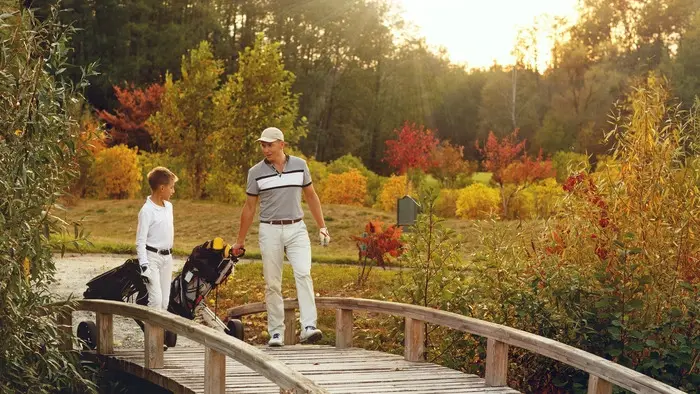
Lead with powerful images that capture your members in signature spaces of your club and handle the objections or fears right from the start. When done properly, you don't need to describe the amenities with words. Striking photos of your members enjoying your amenities will speak louder than anything you could possibly write.
Of course, rebuilding a homepage around emotional connection is more than swapping a photo or rewriting a headline. It requires a club to admit that it really isn't about the "18-hole championship golf course," and for boards who've relied on that belief for decades, that can be a tough sell.
The clubs that keep leading with amenities are betting that prospective members will do the emotional work themselves, filling in the gaps about culture and belonging on their own. Some will. Most won't stick around long enough to try. It requires too much brain power. The clubs that get ahead of that, and use the first few seconds to say "you belong here," give themselves a real shot at being remembered as more than another pretty club and an expensive place to play golf.
Create engaging website copy for private clubs that resonates with younger prospects. Transform traditional messaging into member-centric content.
Golf Life Navigators surveyed 50,000+ prospects to reveal what they actually want to see on club websites. Most clubs are missing the mark on these...
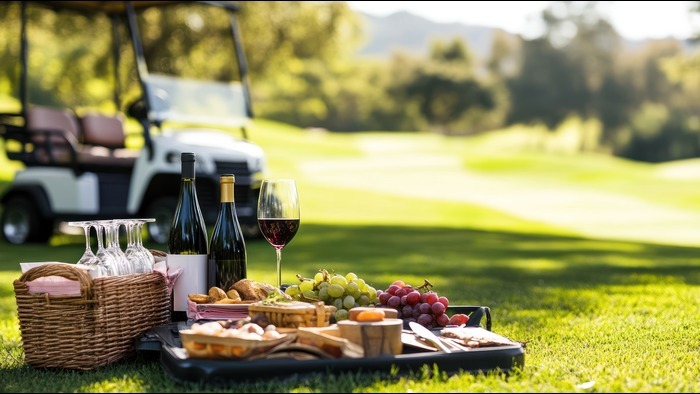
Food and beverage is the top driver of member satisfaction at private clubs—yet it's consistently the lowest-rated amenity. Here's what the data says.